DEEP CLEAINING NEWS, ARTICLES & INFORMATION
Southern Maryland humidity affects hardwood floors by causing wood to expand and contract as moisture levels shift. High humidity leads to cupping (edges rising) and crowning (center rising), while low humidity causes gapping. Maintaining indoor humidity between 35% and 55% is critical for preventing permanent structural damage.
What does Southern Maryland humidity do to hardwood?
If you live in Calvert, St. Mary’s, or Charles County, you are intimately familiar with the "thick" air that defines our summers. For a homeowner, this isn't just a matter of personal comfort; it is a significant factor in the health of your home’s infrastructure. Hardwood flooring is a natural, hygroscopic material, meaning it behaves like a sponge. It constantly absorbs and releases moisture from the surrounding environment. When our Southern Maryland humidity spikes, the wood cells in your planks soak up that ambient water vapor, causing the wood to swell. Conversely, when the winter winds blow across the Patuxent and Potomac rivers and the air turns bone-dry, your floors release that moisture and shrink.
This cycle of expansion and contraction is normal to an extent, but the extremes we experience in the Mid-Atlantic can push wood beyond its elastic limit. In the height of July, your floorboards are fighting for space, pressing against one another with immense force. If there isn't enough expansion space left by the installers, or if the humidity stays above 60% for an extended period, the wood will have nowhere to go but up. This results in the physical distortion of the planks, often requiring professional intervention to correct. Understanding this relationship between the local climate and your flooring is the first step in preserving the beauty and value of your home.
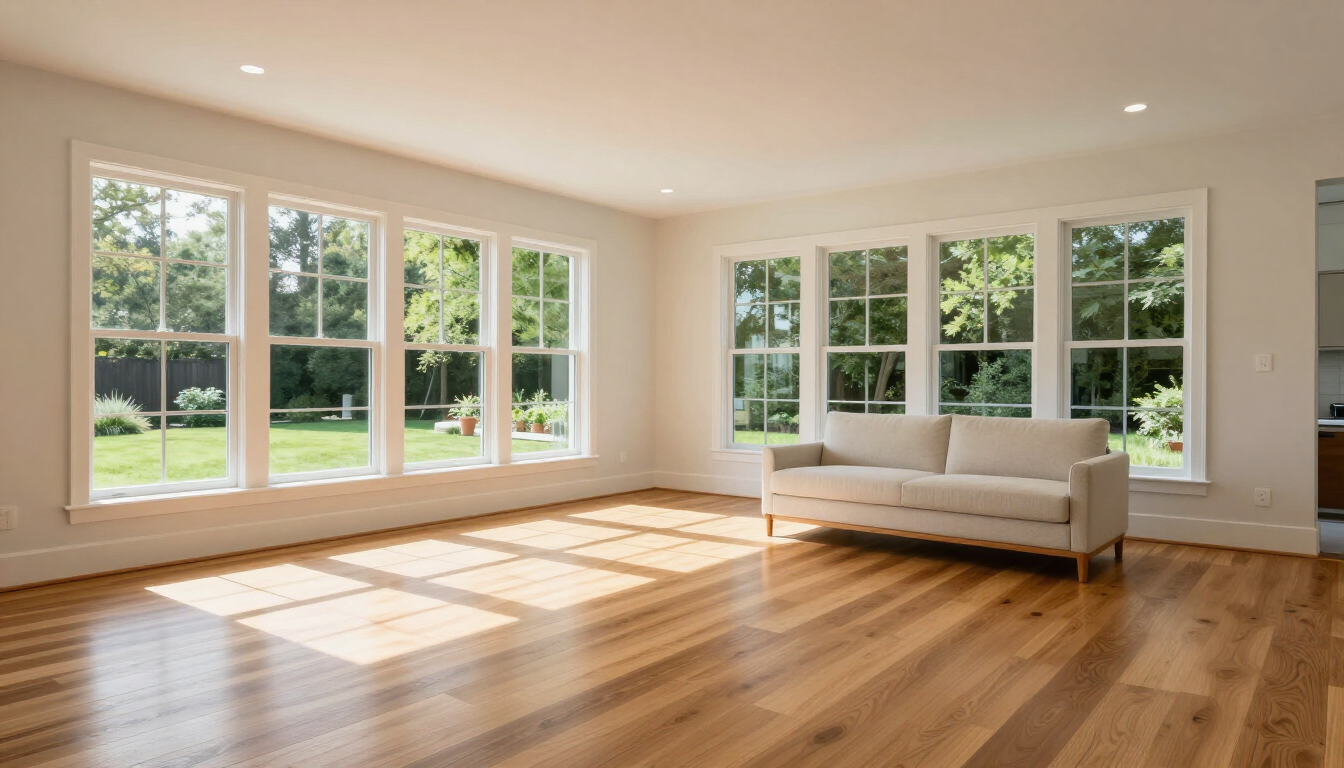
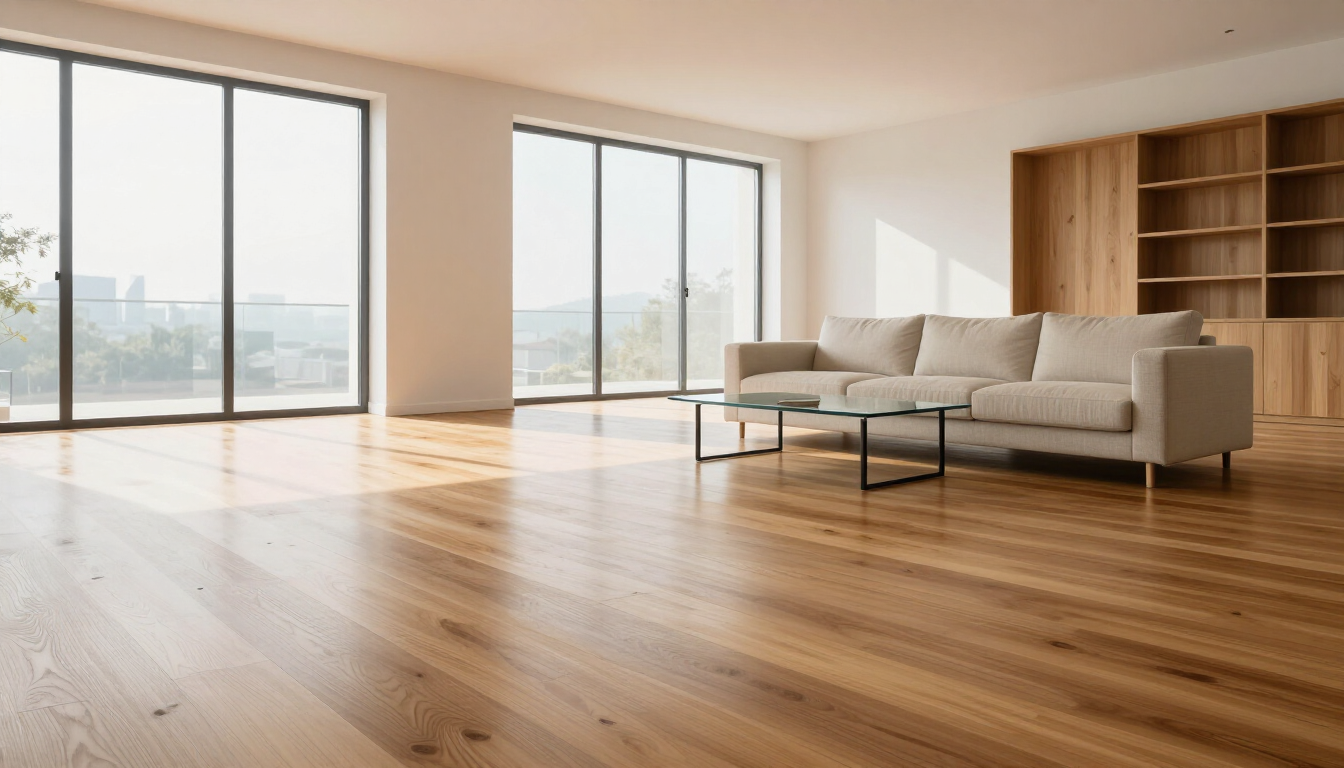
The seasonal battle: Summer swelling vs. winter shrinking
The geography of Southern Maryland creates a unique challenge for hardwood maintenance. Being surrounded by the Chesapeake Bay and various river systems means our baseline moisture levels are often higher than those found further inland. During the summer months, the "Bermuda High" pumps warm, moist air into our region, often keeping relative humidity levels well above the comfort zone for wood. During this time, you might notice your hardwood cleaning routine feels different; the floor might feel slightly "tackier" as the wood pores open up and trap micro-particles of dust and residue.
When winter arrives, the script flips entirely. The cold air holds significantly less moisture, and our indoor heating systems further strip the air of humidity. This causes the wood planks to contract, leading to visible gaps between the boards. While small gaps are a standard seasonal occurrence in Southern Maryland, large gaps can become magnets for dirt, pet dander, and debris. If these gaps are filled with grit while the wood is contracted, the planks won't be able to expand properly when summer returns, leading to a phenomenon known as "crushing" of the wood fibers. This seasonal tug-of-war is why consistent indoor climate control is non-negotiable for local residents.
Why is cupping a recurring issue for St. Mary’s County homes?
Cupping is perhaps the most common humidity-related complaint we hear from homeowners in places like Leonardtown and Lexington Park. Cupping occurs when the bottom of the wood plank becomes wetter than the top. Because the bottom expands more than the surface, the edges of the board curl upward, creating a concave shape. In Southern Maryland, this is frequently linked to high moisture levels in crawlspaces or basements. Since many of our local homes are built near water tables or on damp soil, the moisture migrates upward through the subfloor and into the hardwood.
To combat cupping, it is essential to address the source of the moisture. Simply running the air conditioning may not be enough if the subfloor is being saturated from below. Homeowners should regularly inspect their crawlspaces for standing water or failing vapor barriers. If you notice the edges of your planks starting to rise, it is a signal that the moisture balance in your home is skewed. Left unaddressed, cupping can lead to cracked finishes and permanent deformation of the wood. Integrating a floor maintenance checklist into your home care routine can help you spot these changes early before they become costly repairs.
How can you stabilize indoor humidity for your floors?
Stability is the secret to long-lasting hardwood. While we cannot control the weather in Charles County, we can control the micro-environment inside our four walls. The goal is to keep the relative humidity (RH) within a steady range, typically between 35% and 55%. Achieving this requires a multi-pronged approach involving your HVAC system, dedicated appliances, and daily habits. For Southern Maryland residents, a high-quality dehumidifier is often the most important tool in the arsenal during the humid months.
- Install a whole-home humidification/dehumidification system.
- Use a digital hygrometer to monitor daily RH levels.
- Ensure bathroom and kitchen fans vent directly outdoors.
- Keep the AC running during humid summer spells.
- Avoid wet-mopping with excessive amounts of water.
Beyond mechanical controls, how you clean your floors plays a role in moisture management. Using a damp—not dripping—mop is vital. If you find that your floors have a sticky film that seems to attract moisture, you may need hardwood residue removal to strip away old waxes and cleaners that trap humidity against the wood surface. By keeping the surface clean and the air stable, you allow the wood to remain in its intended shape regardless of the exterior conditions.
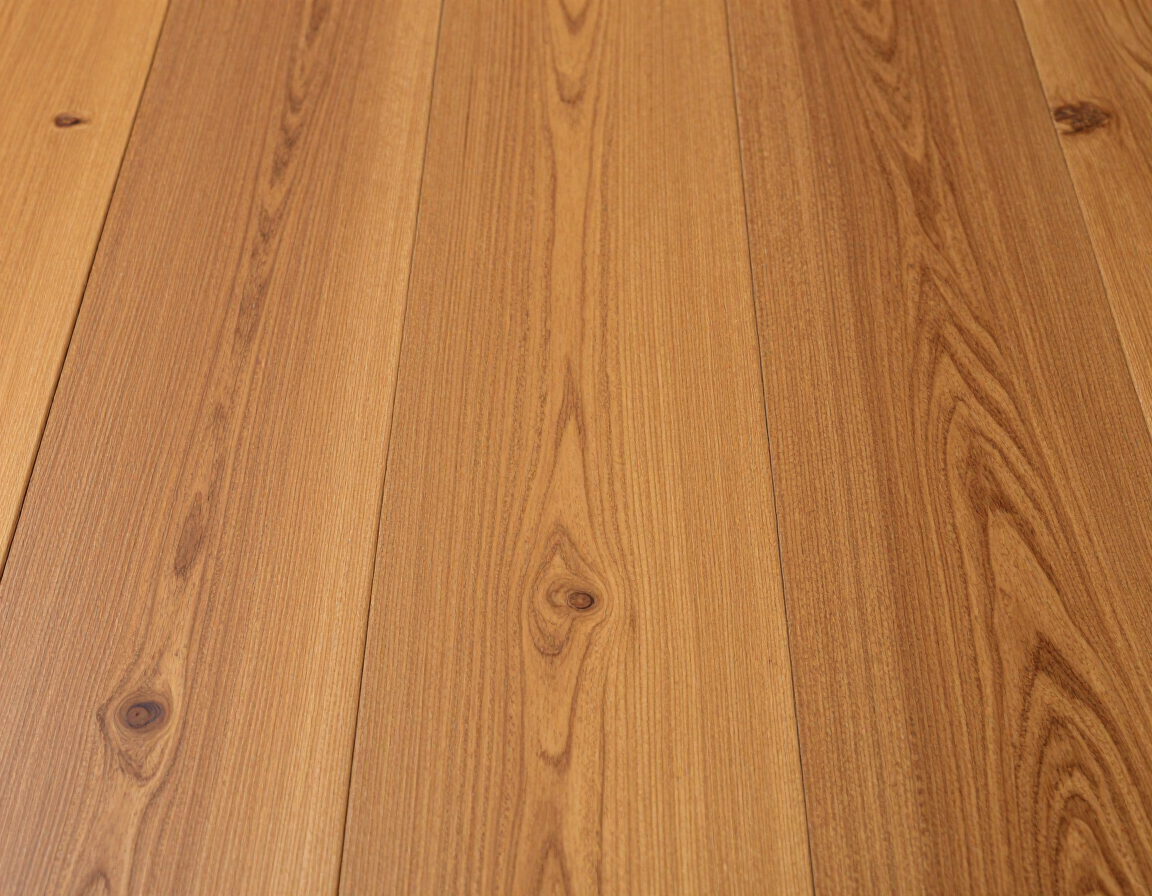
Recognizing the early warning signs of moisture damage
Prevention is always more affordable than restoration. As a Southern Maryland homeowner, you should be a "floor whisperer," paying attention to the subtle cues your wood gives you. One of the first signs of trouble isn't always visual; it can be auditory. If your floors suddenly start creaking or popping more than usual, it could be a sign that the boards are expanding and rubbing against each other or the fasteners. This often precedes visible cupping or crowning.
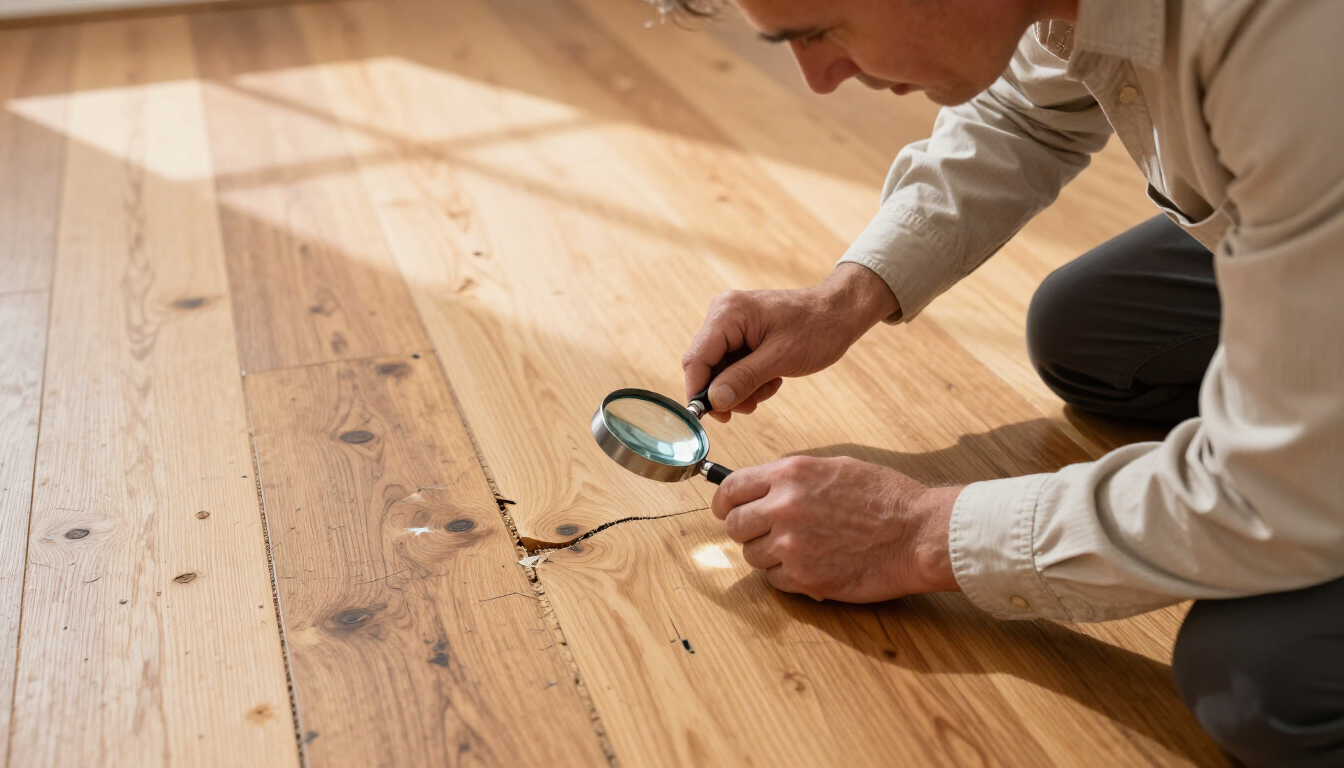
Another warning sign is the appearance of the finish. When wood swells excessively, the finish can undergo "checked" cracking, where tiny horizontal lines appear across the grain. You might also notice that doors suddenly start sticking or rubbing against the floor in certain spots. These are all indicators that the wood's moisture content has climbed too high. If you catch these signs early, you can often reverse the effects by lowering the humidity in the room. However, if the wood has reached its saturation point, the cell structure may collapse, leading to permanent damage that only sanding or replacement can fix. Regular residential services can help monitor these conditions.
Do I need professional hardwood cleaning in Maryland?
Many homeowners wonder if professional cleaning actually helps with humidity issues. The answer is a resounding yes. Over time, the expansion and contraction of the wood can allow microscopic allergens, salts from our coastal air, and fine grit to settle into the grain and the joints. A standard vacuum or mop often cannot reach these depths. Professional cleaning uses specialized equipment to extract these contaminants, ensuring that when the wood expands, it isn't pressing against abrasive debris that can scratch the finish from the inside out.
Furthermore, professional technicians can provide an objective assessment of your floor’s moisture levels. Using specialized moisture meters, we can tell you exactly how much water is trapped in your wood, helping you decide if you need to adjust your HVAC settings or invest in a dehumidifier for your crawlspace. This proactive approach is especially important for commercial clients who have large expanses of wood that are even more susceptible to shifting. Keeping your floors professionally maintained ensures they are resilient enough to handle the Southern Maryland climate swings.
Summary: Your Humidity Protection Checklist
Managing the impact of Southern Maryland humidity on your hardwood floors requires consistent attention and a proactive strategy. By maintaining a stable indoor environment, you protect your investment from the warping, gapping, and structural damage that our local climate can cause. Remember that wood is a living material that responds to its surroundings; if you are comfortable, your floors likely are too. Keep your humidity levels consistent, monitor your crawlspace, and never ignore the early signs of cupping or creaking.
- Keep indoor humidity between 35% and 55% year-round.
- Use hygrometers in multiple rooms to track moisture levels.
- Address crawlspace or basement moisture issues immediately.
- Schedule professional deep cleanings twice a year.
- Consult experts if you notice persistent cupping or crowning.
If you are concerned about the state of your hardwood or want to ensure your floors are prepared for the next seasonal shift, we are here to help. Our team specializes in the unique needs of Southern Maryland homes. Contact us today for a free quote or to schedule a professional cleaning that will keep your floors beautiful for years to come.
Recent Posts