
DEEP CLEAINING NEWS, ARTICLES & INFORMATION

How to Assess Flooring Repair vs. Replacement (5 Tips)


To assess flooring repair or replacement, evaluate the extent of physical damage, structural integrity, and age. Minor surface scratches or stained grout usually require professional restoration. However, widespread warping, significant water damage, or structural instability indicate that a full replacement is necessary to ensure safety and long-term durability.

When should you choose repair over replacement?

Deciding between repairing a floor and replacing it entirely is a common dilemma for property owners in Southern Maryland. The first step in this assessment is determining the percentage of the floor that is affected. A general industry rule of thumb is the "one-third rule": if more than 30% to 40% of the flooring area is damaged, replacement is often more cost-effective in the long run.

Repairing is ideal when the issues are localized. For example, if a single tile is cracked or a small section of hardwood has a deep scratch from moving furniture, a targeted repair can restore the aesthetic without the cost of a full overhaul. Professional services, such as Hardwood Cleaning , can often remove years of surface-level grime and light scratches, making an old floor look new again without the need for demolition.

Another factor is the availability of materials. If you have a unique or discontinued hardwood species or a specific tile pattern, finding a perfect match for a repair can be difficult. In these cases, if the damage is minimal, cleaning and refinishing are the preferred routes to maintain visual consistency across the space.

Is your hardwood floor worth saving?

Hardwood floors are prized for their longevity, but they have a finite lifespan based on how many times they can be sanded and refinished. When assessing hardwood, check the thickness of the "wear layer." If the wood has been sanded down so many times that the nails are becoming visible or the tongue-and-groove joints are exposed, it is time for a replacement.

Common signs that your hardwood needs attention include:

  • Graying or Blackening Wood: This indicates that the protective finish has worn off, and moisture is penetrating the wood fibers.
  • Cupping and Crowning: These are signs of moisture imbalance. Cupping occurs when the edges are higher than the center, while crowning is the opposite.
  • Deep Gouges: While light scratches are normal, gouges that penetrate deep into the wood may require more than just a simple Hardwood Cleaning service.
  • Large Gaps: While some seasonal gapping is normal in Maryland's humid summers and dry winters, persistent large gaps may indicate structural shifting.
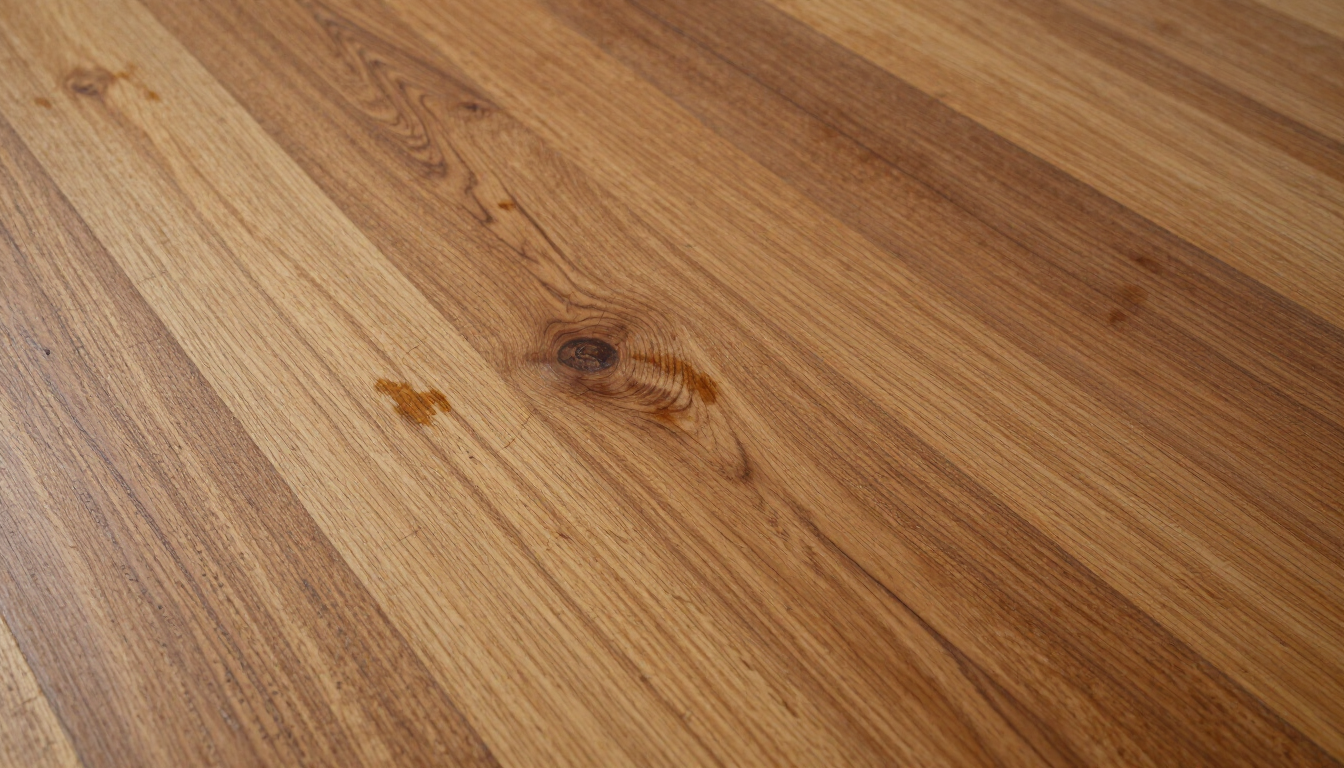
Damaged hardwood floor with water stains

How does tile and grout damage impact your decision?

Tile floors are incredibly durable, but they are not invincible. The assessment for tile often focuses more on the grout and the bond to the subfloor. Grout is porous, meaning it absorbs liquids, oils, and bacteria over time. If your grout is simply discolored, a professional Tile & Grout Cleaning can often perform miracles, stripping away years of buildup to reveal the original color.

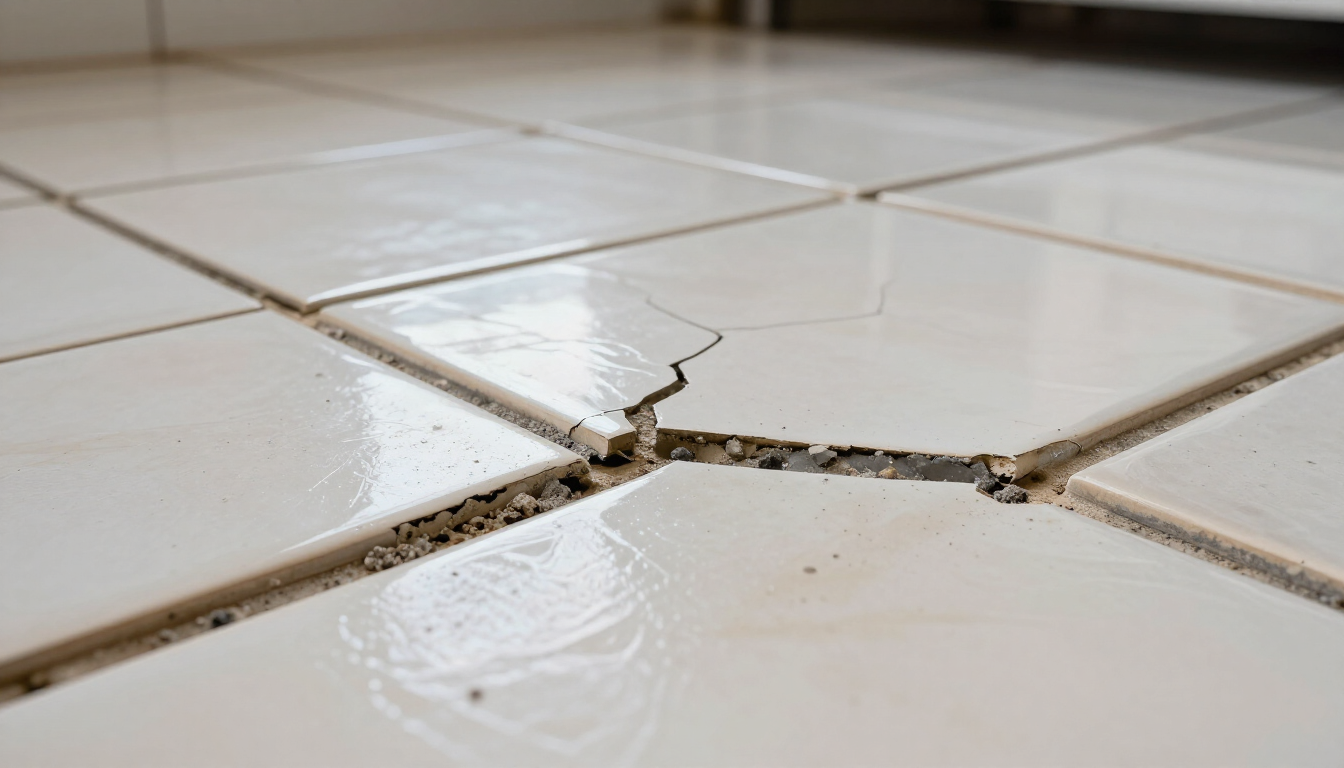
However, if the grout is crumbling or falling out, it suggests a deeper issue. Loose grout often means the tiles are moving, which indicates that the thin-set mortar beneath the tile has failed. This is common in high-traffic areas or where the subfloor is flexing too much. If you notice "tenting"—where tiles lift up and push against each other—this is a clear sign that the floor was installed without proper expansion joints and likely needs a full replacement.

Cracked tiles can sometimes be replaced individually, but if you see a crack running across several tiles in a straight line, this usually points to a crack in the concrete slab or subfloor beneath. In such cases, repairing the tile is only a temporary fix, as the crack will eventually telegraph through the new tile as well.

Signposts of structural flooring failure

Sometimes the problem isn't the surface you walk on, but what lies beneath. A thorough assessment must include the subfloor and joists. If you notice a "spongy" feeling when you walk, or if there is a significant amount of creaking and groaning, the structural integrity of your flooring system may be compromised. This is especially prevalent in older homes in Calvert and St. Mary's counties where humidity can lead to wood rot over decades.

Structural failure is a non-negotiable reason for replacement. You cannot simply lay new flooring over a failing subfloor; doing so would be a waste of money as the new floor would quickly fail. Signs of structural issues include:

  • Persistent musty odors that don't go away after cleaning.
  • Visible sagging in the floor line when looking across a room.
  • Moisture wicking up through the floor from a crawlspace or basement.
  • Insects, such as termites or carpenter ants, found near the baseboards.
Cracked ceramic tile and dirty grout lines

Key factors for commercial floor assessment

For business owners in Southern Maryland, the stakes for flooring assessment are higher due to liability and branding. A cracked or stained floor in a retail space or restaurant can negatively impact customer perception and even pose a tripping hazard. When evaluating Commercial Services , consider the downtime required for repair versus replacement.

Commercial floors, especially in industrial or medical settings, often have specific slip-resistance ratings and hygiene requirements. If a tile floor in a commercial kitchen has excessive grout erosion, it becomes a breeding ground for bacteria, which could lead to health code violations. In these high-stakes environments, a proactive replacement is often better than waiting for a failure that forces an emergency closure.

Safety is the primary driver for commercial replacement. If the floor's surface has become dangerously slick due to the wear of its anti-slip coating, or if there are uneven transitions between different flooring types, a replacement is often the only way to ensure compliance with ADA (Americans with Disabilities Act) standards and local safety regulations.

Why does humidity matter in Southern Maryland?

Living in coastal regions like Charles County means dealing with significant seasonal humidity fluctuations. This environmental factor plays a huge role in how we assess flooring. Wood is a hygroscopic material, meaning it absorbs and releases moisture. In the summer, floors expand; in the winter, they contract.

If you are assessing your floors during a particularly humid month, you might see

Recent Posts

Close up of clean tile and grout in a residential home
June 11, 2026
Master these 5 easy floor cleaning tips to protect your Southern Maryland home. Learn expert advice for hardwood, tile, and grout maintenance.
A perfectly cleaned and shiny hardwood floor in a bright residential home.
June 11, 2026
Discover why hiring a professional hardwood floor cleaning company is essential for homeowners in Southern Maryland. Protect your floors and restore shine.
Close-up of a perfectly maintained hardwood floor with natural light reflecting off the surface.
June 11, 2026
Discover the ultimate guide to maintaining hardwood floors. From daily cleaning hacks to professional deep cleaning tips, keep your Southern Maryland home's floors shining for years.