DEEP CLEAINING NEWS, ARTICLES & INFORMATION
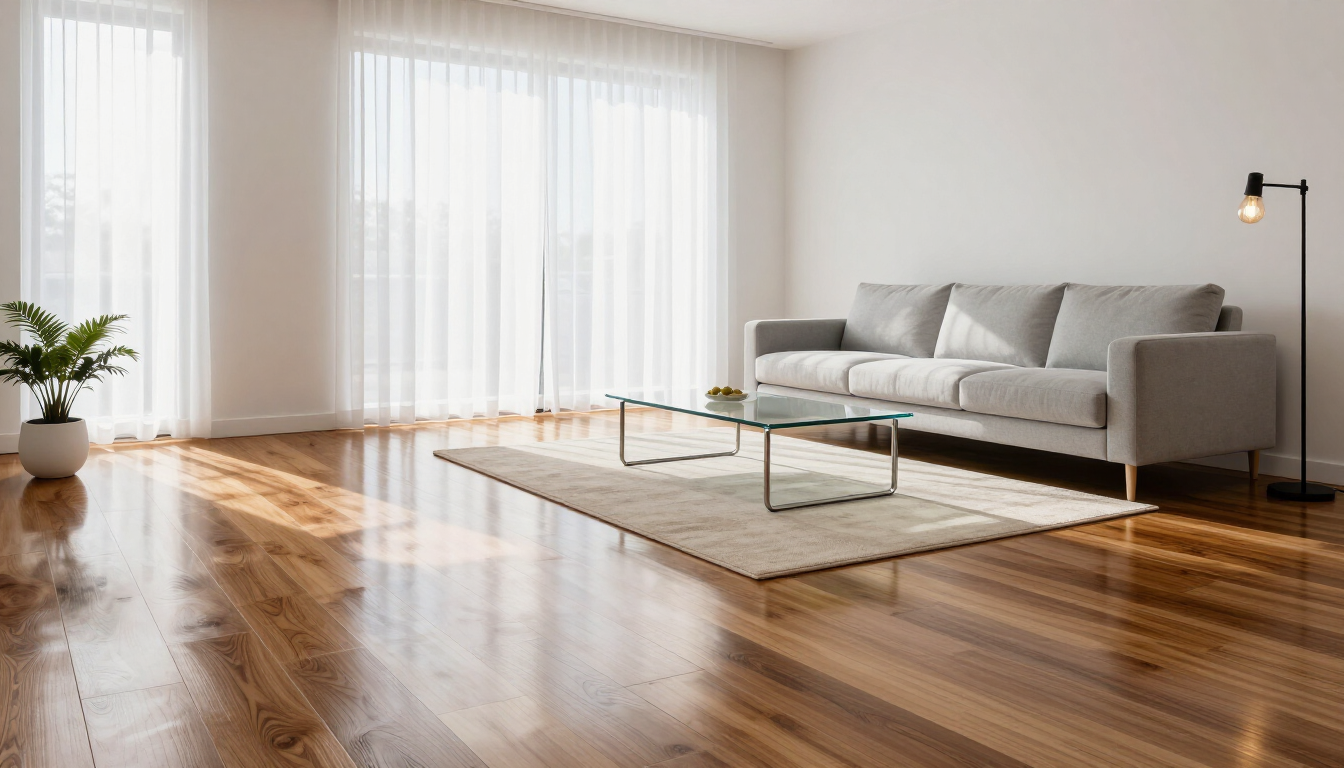
LVP (Luxury Vinyl Plank) generally holds up better than hardwood in Southern Maryland homes due to the region’s high humidity and proximity to the Chesapeake Bay. While hardwood offers timeless beauty, LVP’s waterproof nature prevents the warping and cupping often caused by local moisture levels and seasonal temperature swings.
Why is Southern Maryland’s climate tough on floors?
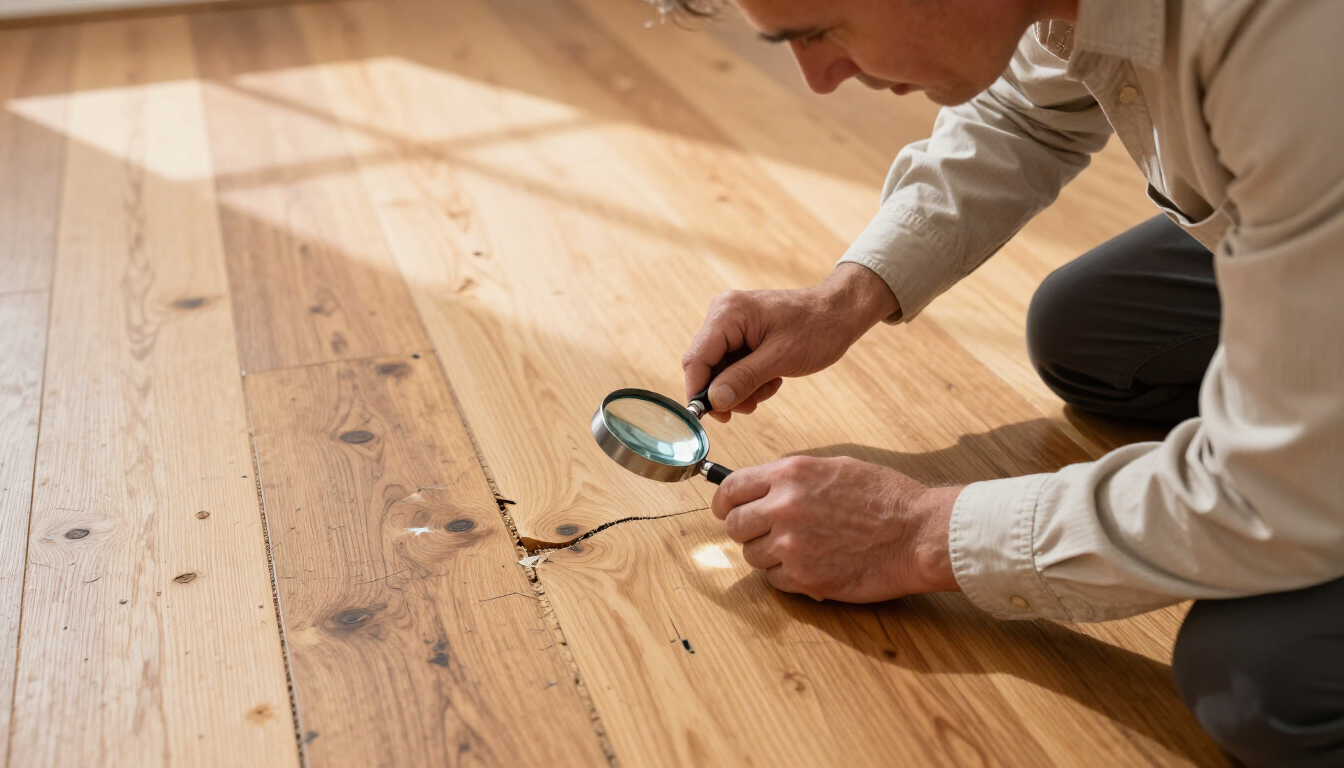
If you live in Calvert, St. Mary’s, or Charles County, you know that our weather is anything but consistent. One day it’s a humid 95 degrees with moisture hanging thick in the air from the Patuxent River, and the next, we are hitting a dry cold snap. This volatility is the primary enemy of traditional flooring. Wood is a porous, natural material that acts like a sponge. When the humidity rises in the summer, wood planks absorb that moisture and expand. When the furnace kicks on in the winter, they dry out and shrink. Over time, this constant movement leads to gaps between boards or, worse, “cupping” where the edges of the planks sit higher than the center.
For homeowners near the water, the stakes are even higher. High water tables and basement dampness are common challenges in our service area. Standard hardwood floors in a walk-out basement in Solomons or a coastal cottage in Leonardtown are under constant environmental stress. This is where the debate between LVP and hardwood really begins. You aren’t just choosing an aesthetic; you are choosing a material that has to survive a very specific microclimate.
Key Differences: LVP vs. Hardwood Durability
When we look at pure durability, LVP is engineered to be a tank. Modern Luxury Vinyl Plank is constructed with a rigid core—often stone plastic composite (SPC)—that makes it almost entirely immune to the humidity fluctuations that plague Southern Maryland. It doesn’t expand or contract nearly as much as organic wood. Furthermore, LVP is usually 100% waterproof. If your water heater leaks in your Waldorf home or your kids come running in from the pool in Prince Frederick, LVP won't be ruined by the standing water.
Hardwood, conversely, wins on longevity if maintained perfectly. A solid oak floor can be sanded and refinished many times over a century. However, it is susceptible to scratches from pets, dents from dropped items, and significant water damage. In the comparison of daily wear and tear for a busy family, LVP often comes out on top because its wear layer is specifically designed to resist scratching and staining. It provides a "set it and forget it" peace of mind that hardwood simply cannot match in a high-traffic, high-moisture environment.
Does LVP really handle Maryland humidity better than wood?
Yes, LVP is significantly more stable in high-humidity environments. Because it is a synthetic product, it lacks the cellular structure that causes natural wood to react to atmospheric moisture. In Southern Maryland, where summer humidity levels often exceed 70%, hardwood floors that aren't protected by a high-end HVAC system can begin to show signs of stress within just a few seasons. LVP stays flat and tight, regardless of whether you’re living through a humid July or a dry January.
However, it is important to note that LVP still requires professional care. Many homeowners assume that because it is "waterproof," they can use any cleaning chemical or mop it with soaking wet rags. Over time, improper cleaning can lead to a dull film or even damage the locking mechanisms if water seeps underneath the planks. That is why we recommend specialized Luxury Vinyl Plank (LVP) Cleaning to ensure the surface stays vibrant and the sanitization is deep enough for a healthy home.
Essential LVP Maintenance for Homeowners
- Sweep or vacuum daily to remove grit that can scratch the wear layer.
- Use pH-neutral cleaners specifically formulated for vinyl.
- Avoid steam mops, as the intense heat can weaken the vinyl bonds.
- Place mats at all entryways to catch Maryland red clay and sand.
- Schedule professional deep cleaning once a year to remove built-up residues.
Is hardwood flooring still a good investment for Calvert County homes?
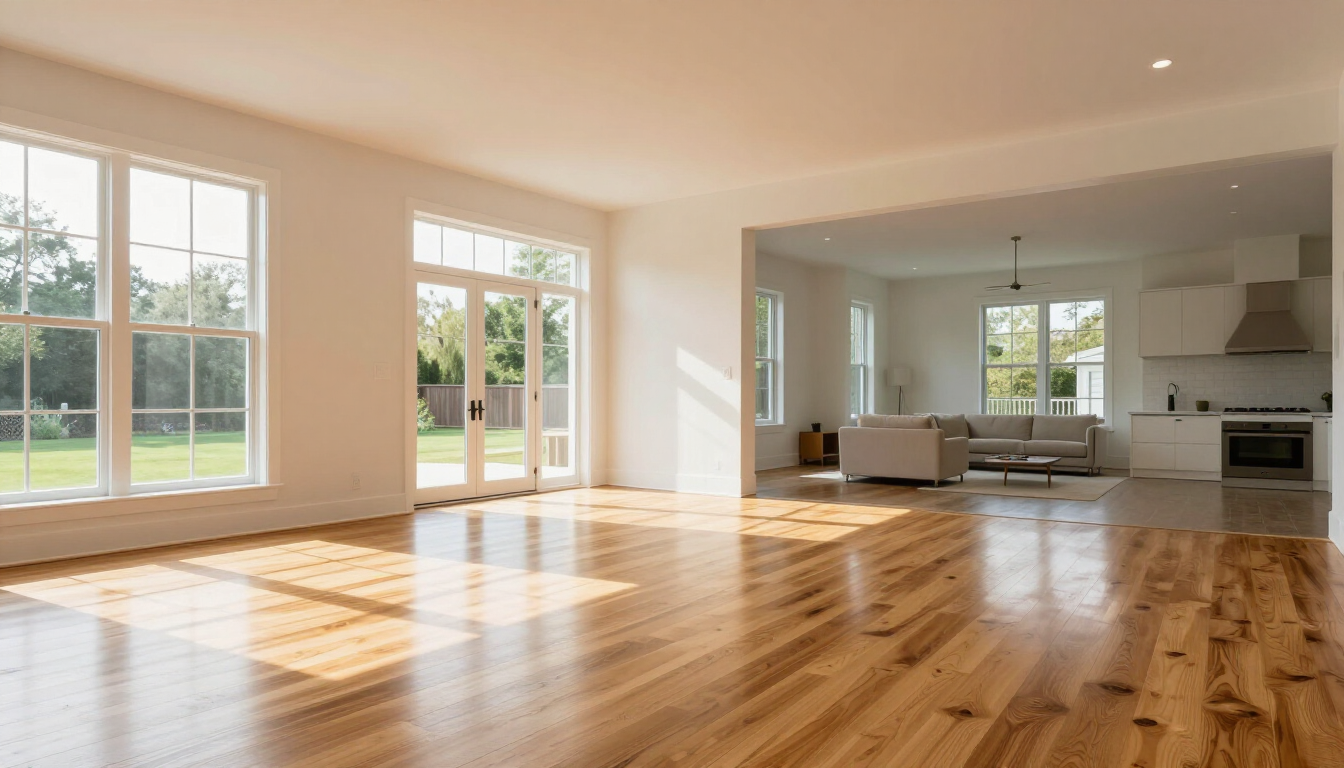
Despite the challenges of humidity, hardwood remains the gold standard for home resale value in Southern Maryland. Buyers in areas like Chesapeake Beach or La Plata often look for the prestige and warmth of real wood. If your home is well-insulated and you maintain a consistent internal climate with a dehumidifier or high-quality air conditioning, hardwood can thrive for decades. The key is recognizing that hardwood is a "living" floor that requires a bit more TLC than its synthetic counterparts.
One of the biggest issues we see locally isn't just the wood itself, but the buildup of store-bought waxes and "shining" products. Homeowners often try to fix a dull hardwood floor by applying a quick-fix polish, which actually creates a sticky, cloudy layer that traps dirt. Our Hardwood Residue Removal service is frequently requested by homeowners who want to see their original wood grain again without the cost of a full sand-and-refinish job. By keeping your wood clean and free of waxy buildup, you preserve that high-end investment that LVP can’t quite replicate in terms of sheer prestige.
How do cleaning requirements differ between the two?
Professional Floor Cleaning
How do cleaning requirements differ between the two?
Cleaning LVP is generally easier because you don't have to worry about water damage as much, but both floors are susceptible to chemical damage. Hardwood requires a delicate balance; you need to remove dirt without introducing moisture that could seep into the joints. If you use too much water on hardwood, you risk causing the wood to swell. This is why our Hardwood Cleaning process uses specialized low-moisture equipment that extracts dirt without soaking the boards.
LVP, while waterproof from the top, can still be damaged by abrasive cleaners. Many all-purpose cleaners and dish soaps contain oils, waxes, or dyes that build up on the wear layer over time, leaving behind a hazy film that dulls the floor's shine no matter how often you sweep. Others contain harsh solvents or ammonia that slowly break down the protective top coat, leaving the surface more vulnerable to scratching and yellowing under sunlight. And while the planks themselves resist standing water, excess moisture that isn't properly wrung out can still work its way into the seams between boards, leading to the same lifting and separation issues homeowners assume only affect hardwood. The safest approach is a pH-neutral cleaner made specifically for vinyl, paired with equipment that lifts dirt without oversaturating the floor — which is exactly what our LVP Cleaning service is built around.
The Bottom Line for Southern Maryland Homeowners
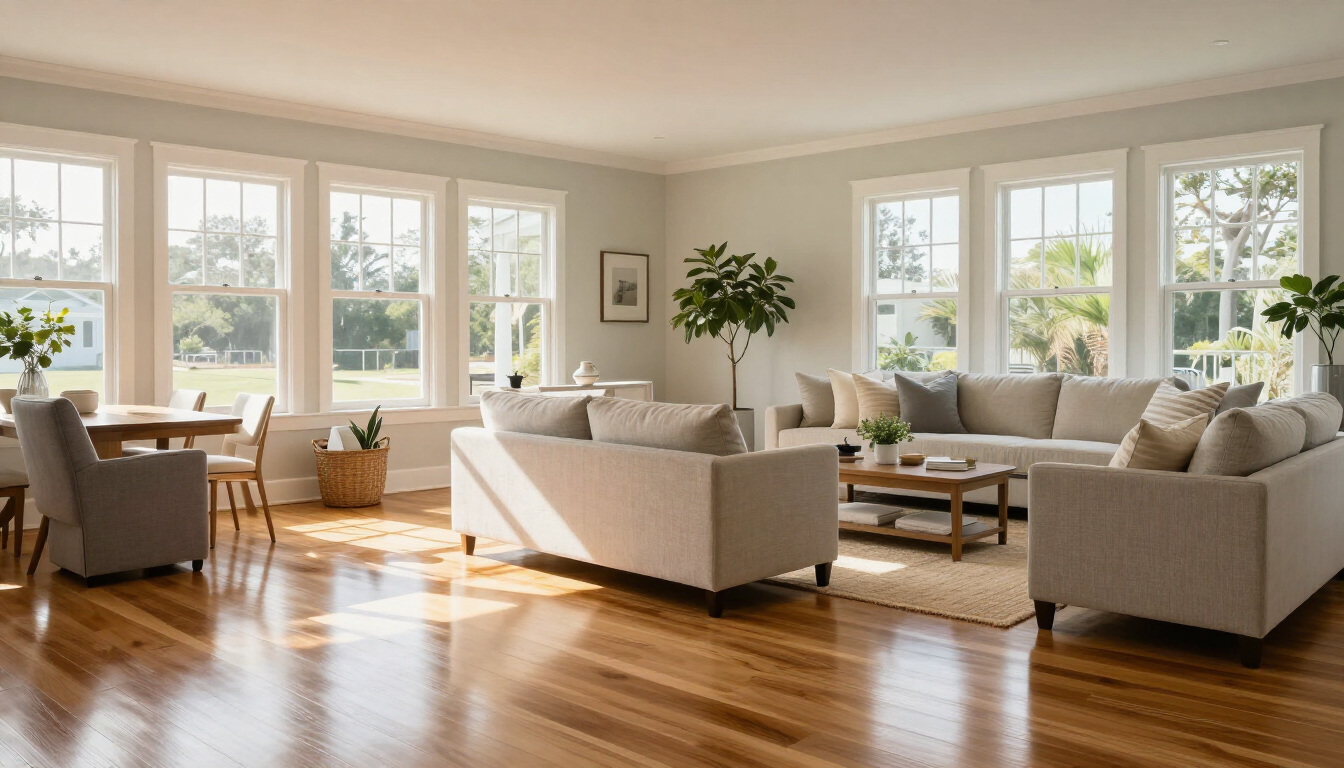
There isn't a universal right answer — there's a right answer for your home. If you're in a high-moisture space like a basement, a home near the water, or a busy household with kids and pets, LVP's stability and waterproof core make it the lower-maintenance, lower-risk choice. If you're in a well-climate-controlled home and resale value or classic character matters most, hardwood remains worth the extra care it requires.
Either way, the floor you already have is the floor you have to maintain — and both hardwood and LVP hold up far longer with the right cleaning approach than with generic store-bought products and guesswork. If your floors are already showing signs of humidity-related wear, our Floor Restoration Services page covers what a professional refinishing or deep-clean visit actually involves.
Request a Free Estimate and we'll help you figure out the right care plan for your specific floors and space.